Ledger Login: A Complete Guide to Accessing Your Ledger Live Safely
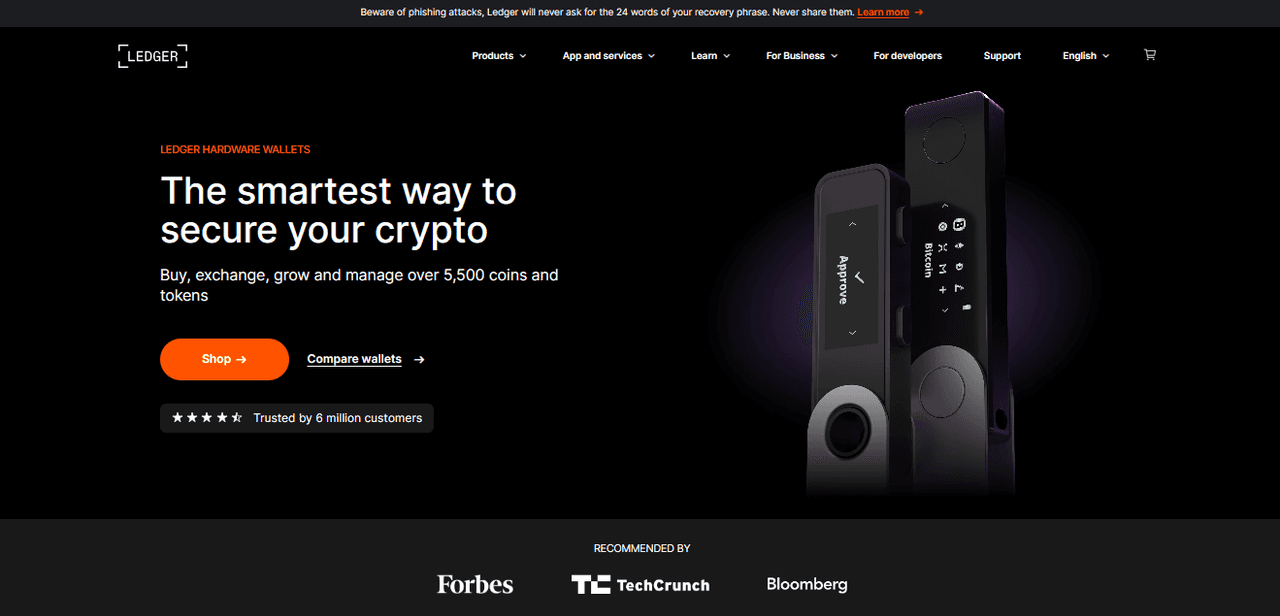
Ledger login refers to the process of securely accessing your cryptocurrency accounts through Ledger Live, the official software companion for Ledger hardware wallets such as Ledger Nano S Plus, Ledger Nano X, and Ledger Stax. Unlike traditional online wallets or cryptocurrency exchanges, Ledger login is designed around self-custody, meaning your private keys remain safely stored on the hardware wallet, never online.
Ledger Live allows you to view balances, manage multiple cryptocurrencies, send and receive funds, stake coins, and monitor portfolio performance. Understanding the Ledger login process is essential to ensure your crypto assets remain secure and accessible.
What Makes Ledger Login Different?
Ledger login is not like logging into an exchange or online service:
No username or password: Ledger Live does not require an email, username, or cloud account.
Hardware wallet authentication: The Ledger device holds your private keys and must be connected to Ledger Live for access.
Optional app password: You can set a local password to protect the Ledger Live interface on your computer or mobile device.
The login process combines hardware authentication, software access, and optional interface security, providing a high level of protection against hacking and malware.
Step-by-Step Guide to Ledger Login
Step 1: Download and Install Ledger Live
Go to the official Ledger website.
Download the version compatible with your operating system: Windows, macOS, Linux, iOS, or Android.
Follow installation instructions to complete the setup.
Tip: Always download Ledger Live from the official source to avoid phishing websites.
Step 2: Connect Your Ledger Device
Connect the Ledger hardware wallet to your computer or mobile device using USB or Bluetooth (Ledger Nano X supports Bluetooth).
Enter your PIN to unlock the device. The PIN is required every time the device is powered on.
Step 3: Open Ledger Live
Launch Ledger Live on your computer or mobile device.
If this is your first use, choose between “Set up a new device” or “Restore device” using your recovery phrase.
Ledger Live will detect your connected device and display your cryptocurrency accounts.
Step 4: Optional App Password
For additional local security:
Navigate to Settings → Security → App Password.
Set a strong password to lock the Ledger Live interface.
Note: This password does not control access to funds, which remain secure on the hardware device. It only restricts local access to Ledger Live.
Security Measures in Ledger Login
Ledger login prioritizes security with multiple layers:
Hardware device confirmation: All transactions require physical approval on the Ledger device.
PIN protection: Accessing the device itself requires a PIN.
Recovery phrase backup: A 24-word recovery phrase is used to restore the wallet if the device is lost or damaged.
Encrypted communication: Ledger Live communicates securely with your device.
Optional app password: Adds an extra layer of local security.
Even if your computer is compromised, your funds remain safe as long as the Ledger device and recovery phrase are secure.
Accessing Ledger Live on Multiple Devices
Ledger Live can be installed on multiple computers or smartphones:
Install Ledger Live on the new device.
Connect your Ledger hardware wallet.
Sync your accounts.
Optionally, set a local app password on each device.
Ledger login is device-specific and does not require cloud storage, reducing hacking risks.
Restoring Ledger Login
If you lose access to Ledger Live or switch to a new device:
Install Ledger Live on the new computer or mobile device.
Select “Restore device” in the setup menu.
Enter your 24-word recovery phrase on the Ledger hardware wallet.
Ledger Live will restore your accounts and display balances.
Your private keys never leave the hardware wallet during restoration.
Common Ledger Login Issues and Fixes
1. Device Not Recognized
Ensure the USB cable is functional and directly connected (avoid hubs).
Restart Ledger Live.
Update the app to the latest version.
2. PIN or Unlock Problems
Re-enter your PIN carefully.
If the device locks after multiple incorrect attempts, follow Ledger’s recovery instructions.
3. Account Sync Delays
Ledger Live may take a few minutes to sync balances.
Ensure a stable internet connection.
Refresh accounts if necessary.
4. Firmware Updates
Ledger Live may prompt firmware updates for security.
Always keep the device connected and follow update instructions.
Ledger Login vs Exchange Login
FeatureLedger LoginExchange LoginCustodySelf-custody on hardwareExchange holds fundsAccess MethodConnect device + optional app passwordEmail/username + passwordPrivate KeysStored offlineStored by exchangeRecovery24-word recovery phraseEmail resetSecurity RiskLow online riskHigher risk of hacking
Ledger login ensures full control and ownership of your cryptocurrency, unlike exchange accounts.
Ledger Login on Mobile Devices
Ledger Live is available for iOS and Android:
Connect Ledger Nano X via Bluetooth.
Log in by opening Ledger Live and unlocking the device.
Optional app password can be set independently for mobile security.
Receive notifications for transactions, staking rewards, and portfolio changes.
Using Ledger Login in Multi-User or Business Settings
For teams or organizations:
Each user connects their own Ledger device.
Ledger Live installations are independent per user.
App passwords can be customized.
Funds remain in self-custody despite multiple access points.
Features Available After Ledger Login
Once logged in, Ledger Live allows:
Send and Receive Cryptocurrency: Every transaction is confirmed physically on the hardware wallet.
Staking: Delegate supported coins to earn rewards while keeping keys secure.
Portfolio Management: Track balances, allocations, and historical performance.
App Management: Install, remove, or update apps on the Ledger device.
All functions require connecting the hardware wallet, ensuring security at every step.
Best Practices for Secure Ledger Login
Always download Ledger Live from the official website.
Never share your PIN or recovery phrase.
Set a local app password for added protection.
Keep Ledger Live and device firmware updated.
Verify addresses before sending crypto.
Use Ledger Live only on trusted devices.
Back up your recovery phrase securely offline.
Conclusion
Ledger login is more than opening an application; it is a secure gateway to managing your cryptocurrency assets. Ledger Live, combined with a Ledger hardware wallet, ensures that your private keys never leave the device while allowing you to track, send, receive, stake, and manage multiple cryptocurrencies.
By understanding the login process, following security best practices, and using optional protections like an app password, you can safely access your crypto assets and maintain complete self-custody.
Ledger login is a powerful, secure, and user-friendly method to interact with cryptocurrencies, designed to protect your funds from hacks, malware, and unauthorized access.