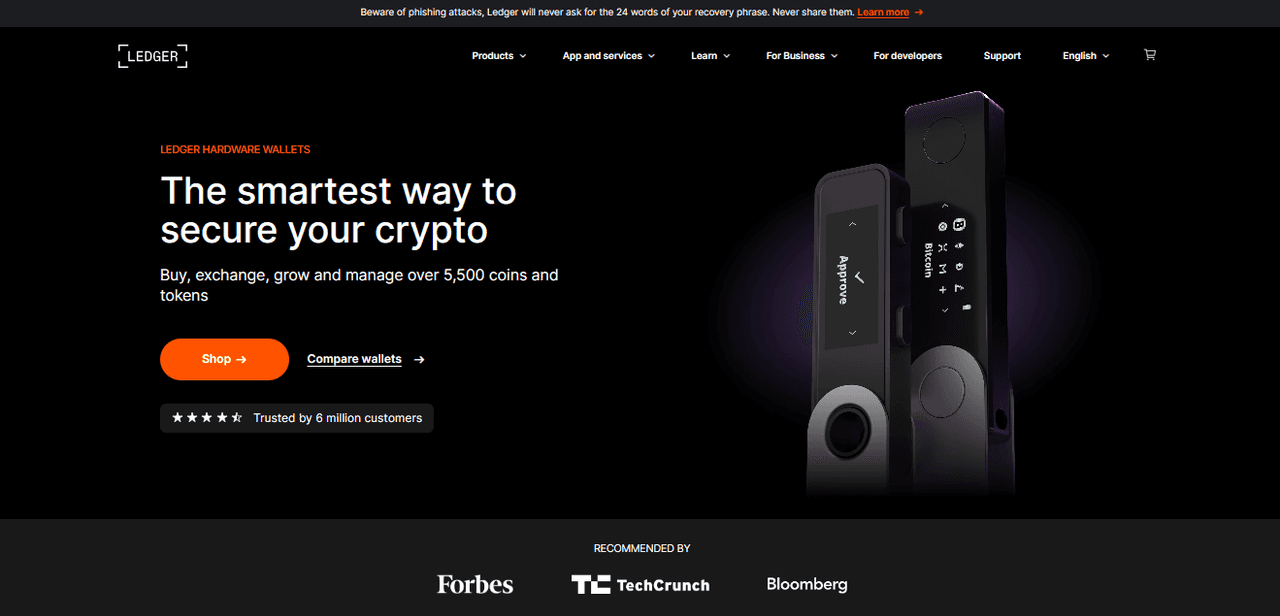
Ledger Login: A Complete Guide to Accessing Ledger Live Securely
Ledger login refers to the process of accessing your Ledger Live account in order to manage cryptocurrency assets securely using a Ledger hardware wallet. Ledger Live is the official software companion for Ledger devices, including Ledger Nano S Plus, Ledger Nano X, and Ledger Stax. Unlike centralized exchanges or online wallets, Ledger Live emphasizes self-custody, meaning that users retain full control over their funds. The Ledger login process is therefore designed not only for convenience but also for maximum security.
In this guide, we will explain the entire Ledger login experience, including setup, security measures, troubleshooting, and best practices. We will also explore how Ledger login differs from conventional login systems on exchanges or online wallets.
Understanding Ledger Live and the Login Concept
Ledger Live is not a web-based account system. There is no cloud account or email verification involved. Instead, the "login" refers to opening the Ledger Live application and connecting it to your hardware wallet. Here’s what that entails:
Ledger Device as the Key: The hardware wallet (Ledger Nano S Plus, Ledger Nano X, Ledger Stax) holds your private keys. Ledger Live accesses this information indirectly to display balances, transaction history, and manage assets.
Local Software Access: Ledger Live is installed on your computer or mobile device. Your private keys never leave the device. The "login" is effectively opening the app and connecting it to the hardware wallet.
Optional App Password: While Ledger Live does not require an email or cloud account, you can set an optional password within the app to restrict access on the local device.
The Ledger login process is therefore more about device authentication and secure app access than traditional username/password logins.
Step-by-Step Ledger Login Process
1. Installing Ledger Live
Before logging in, you need Ledger Live installed on your device:
Download Ledger Live from the official Ledger website to avoid phishing attacks.
Choose the correct version for your operating system: Windows, macOS, Linux, iOS, or Android.
Install the application following the on-screen instructions.
2. Connecting Your Ledger Device
Once Ledger Live is installed:
Connect your Ledger device using USB or Bluetooth (depending on device model).
Enter your PIN on the hardware wallet to unlock it. This ensures the device is in a secure state before interacting with Ledger Live.
3. Opening Ledger Live
Open Ledger Live on your computer or mobile device:
If you are opening it for the first time, you’ll be prompted to set up a new device or restore a wallet using a recovery phrase.
If you already have accounts, Ledger Live will sync with the Ledger device to display your portfolio.
At this stage, the Ledger login is complete: Ledger Live is connected to the device, and you can manage accounts, send and receive crypto, or check balances.
4. Optional App Password
For additional security, you can set an app password within Ledger Live:
Navigate to Settings → Security → App Password.
Set a strong password. This locks the Ledger Live interface but does not affect access to funds, which are secured by the hardware wallet and recovery phrase.
Each time you open Ledger Live, the password will be required to access portfolio details.
Security Measures During Ledger Login
Ledger login is designed with a multi-layered security approach:
Hardware Wallet Authentication: Transactions require physical confirmation on the device, ensuring that malware on the computer cannot execute unauthorized transactions.
PIN Protection: The Ledger device requires a PIN to unlock, which acts as the first security layer.
Recovery Phrase: The 24-word recovery phrase serves as a backup to restore the wallet if the device is lost. Ledger Live never stores this information.
Encrypted Communication: Ledger Live and the device communicate over a secure, encrypted channel.
App Password: Optional password protects the interface from unauthorized access locally.
Together, these measures ensure that logging into Ledger Live is secure without relying on a traditional online login system.
Ledger Login on Multiple Devices
You can use Ledger Live on more than one computer or mobile device:
Install Ledger Live on the new device.
Connect your Ledger hardware wallet.
Sync your accounts.
Set up an app password on each device individually.
The Ledger login is device-specific and does not rely on cloud accounts, which reduces attack vectors.
Logging in with a Restored Ledger Wallet
If you have lost access to Ledger Live or are setting up a new device:
Select the “Restore Device” option in Ledger Live.
Enter your 24-word recovery phrase on the hardware wallet.
The device regenerates your accounts and private keys securely.
Ledger Live will then display your balances and transaction history.
Even after restoration, private keys remain securely stored on the hardware device, and Ledger Live only acts as an interface.
Common Ledger Login Issues and Troubleshooting
Users may face challenges during the login process. Common issues include:
1. Ledger Device Not Recognized
Ensure the USB cable is working and connected directly (avoid hubs).
Restart Ledger Live and reconnect the device.
Update Ledger Live to the latest version.
2. PIN or Device Unlock Issues
Ensure correct PIN entry.
If the device is locked after multiple failed attempts, follow Ledger’s recovery procedures to reset and restore.
3. App Sync Delays
Ledger Live may take time to sync account balances.
Ensure stable internet connectivity.
Reopen the app or refresh accounts for updates.
4. Firmware or App Updates
Ledger Live may prompt firmware updates on your hardware wallet.
Updates are mandatory for security and functionality.
Do not disconnect the device during updates.
Ledger Login vs Exchange Logins
Ledger login is fundamentally different from logging into a cryptocurrency exchange:
FeatureLedger LoginExchange LoginCustodySelf-custody of fundsExchange holds fundsLogin MethodDevice connection + optional app passwordUsername/email + passwordPrivate KeysAlways offline on deviceStored by exchangeRecovery24-word recovery phraseAccount reset through emailSecurity RiskLow risk of online hackingHigher risk if exchange compromised
This difference emphasizes why Ledger Live is preferred for secure asset storage and long-term holding.
Best Practices for Ledger Login
Always download Ledger Live from the official website. Avoid third-party downloads.
Never share your PIN or recovery phrase. Ledger Live and hardware wallet do not require this information online.
Enable app password for additional local security.
Keep firmware and Ledger Live updated to benefit from the latest security improvements.
Reconnect and verify addresses before sending crypto to avoid phishing attacks.
Use Ledger Live on trusted devices to minimize malware risk.
Ledger Login and Mobile Access
Ledger Live mobile apps (iOS and Android) offer convenient access to your accounts:
Connect Ledger Nano X via Bluetooth.
Log in by unlocking the device and opening Ledger Live mobile.
Optional app password can be set independently for mobile security.
Receive push notifications about transactions, staking rewards, and portfolio updates.
Mobile login allows on-the-go portfolio management while maintaining hardware wallet security.
Ledger Login in Enterprise or Multi-User Settings
For businesses or advanced users managing multiple wallets:
Each user must connect their hardware wallet individually.
Ledger Live installations are independent per device.
App passwords can be customized for shared environments.
Ledger Live ensures that funds remain in self-custody even with multiple users accessing the same network.
Recovery After Lost Ledger Login Access
If Ledger Live is inaccessible due to device failure or lost installation:
Install Ledger Live on a new device.
Restore your Ledger hardware wallet using the 24-word recovery phrase.
Ledger Live will recreate your accounts and display balances securely.
Optional app password can be set on the new installation.
This process ensures uninterrupted access without compromising security.
Ledger Login for Advanced Features
Ledger Live login unlocks a suite of features:
Sending/Receiving Crypto: Verify transactions physically on your device.
Staking: Delegate proof-of-stake coins to earn rewards.
Portfolio Tracking: View real-time balances, allocation charts, and performance history.
App Management: Install, remove, or update blockchain apps on your device.
All of these require connecting and logging into Ledger Live with your hardware wallet.
Conclusion
Ledger login is more than just opening an app. It is a secure gateway to managing cryptocurrency safely using Ledger Live and a Ledger hardware wallet. By understanding the process, implementing security best practices, and troubleshooting common issues, users can access their accounts confidently without exposing private keys to online threats.
Unlike conventional logins, Ledger login relies on hardware wallet authentication, optional app passwords, and recovery phrases rather than usernames and passwords. This approach ensures maximum security, privacy, and self-custody, making Ledger Live one of the safest ways to manage cryptocurrency holdings today.